Introduction to Needle Lace: A Branding Asset Review
First Impressions: Elegance and Artisan Craft
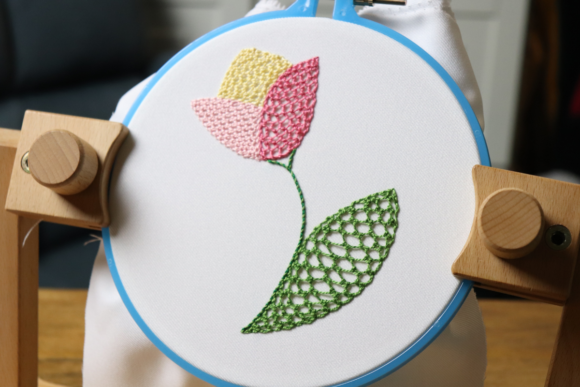
When a business name includes Introduction to Needle Lace, my first thought as a designer is of classic elegance and artisan heritage. This isn't a bold, blocky logo; it evokes a sense of premium craftsmanship and careful attention to detail. For a small business—think a boutique café, a floral studio, or a handmade ceramics shop—this design carries an immediate visual personality of sophistication and timeless quality. It feels handmade, premium, and gently decorative, which can be a powerful signal to customers looking for authenticity and care in the products they buy or the services they experience.
Real-World Application for Business Merchandise
Let's move from impression to application. How does Introduction to Needle Lace perform when translated into physical branded items?
Uniforms and Professional Apparel
For staff uniforms, aprons, or work shirts, this design works beautifully as a subtle chest logo or sleeve detail. It suggests a team skilled in their craft, whether that's baking, designing, or creating. On a chef's apron or a florist's smock, it elevates the garment from simple utility to a statement of professional pride. The key here is placement: it's likely best as an accent, not a massive central logo.
Patches and Product Accents
As an embroidered patch, Introduction to Needle Lace offers fantastic versatility. A small business could sew these onto tote bags as a mark of quality, use them as product labels on handmade goods, or even offer them as customer gifts or event merchandise. For an Etsy seller, a patch with this design on a product bundle adds a tangible, branded touch that increases perceived value.
Cap Embroidery and Bag Design
On caps, the intricate nature of lace-inspired design requires careful consideration. It may need simplification or bold outlining to remain legible on the curved, smaller surface of a cap front. For tote bag embroidery, however, it's a strong candidate—the larger, flat area allows the design's elegance to shine, making a bag feel like a premium accessory rather than just a carrier.
Considerations and Careful Use
Every design has its ideal applications and its limits. For commercial use of Introduction to Needle Lace, a few practical notes are crucial.
- Size Matters: Test this embroidery file at a small patch size first. Intricate details can become lost or muddy if the design is scaled down too much for a tiny product label or cap front.
- Fabric and Contrast: On textured fabrics like canvas or denim, or on dark uniforms, thread color contrast is vital. A light, delicate design might need a bright thread or a slightly heavier outline to stand out clearly.
- Stitch Density and Durability: Designs evoking lace can sometimes involve higher stitch density. On items that need frequent washing—like aprons or work shirts—ensure the design isn't so dense that it stiffens the fabric excessively or becomes prone to snagging.
- Visual Consistency: Compare a mockup of this design beside your other brand assets. Does it feel cohesive with your website, packaging, and overall aesthetic? It should enhance, not clash with, your established brand identity.
Impact on Brand Identity and Customer Trust
Choosing Introduction to Needle Lace for your embroidery isn't just about decoration; it's a branding decision. This design subtly communicates heritage, skill, and attention to detail. For a customer, that builds trust. It suggests your business invests in quality and has a story, which can be particularly effective for creative studios, bakeries, or pet brands selling handmade items. It elevates a simple product into a crafted experience, increasing engagement and perceived value. On product packaging or as a patch on a blanket, it acts as a quiet seal of artisan approval.
Practical Designer Notes for Business Use
Before you commit to production, here's my checklist from the embroidery machine side.
- Test in Black and White: Run a test stitch-out in a single, contrasting color first. This reveals the core structure and legibility without the distraction of multiple thread colors.
- Check the Real Fabric: Don't rely on digital mockups alone. Test the embroidery file on the actual fabric you'll use—a sample apron, cap material, or tote bag canvas.
- Use Proper Stabilizer: Given the potential for fine detail, the correct stabilizer is non-negotiable to prevent puckering and ensure a clean finished product.
- Create a Printable Mockup for Client Approval: If you're an embroidery shop producing for a client business, a realistic mockup helps them visualize it on their merchandise and confirms placement.
- Confirm Commercial Licensing: This is critical. Before using any digital embroidery file for business merchandise, verify the license terms permit commercial embroidery. The product description mentions it's a class, so ensure your use aligns with the provided terms.
- Review Hoop Size Requirements: While specific details weren't provided, always confirm the design's recommended hoop size to ensure your machine and project are compatible.
The Final Verdict for Small Business Merch
Introduction to Needle Lace is a design with strong branding potential for businesses that value an elegant, crafted aesthetic. It works wonderfully as an accent on uniforms, as a premium patch on merchandise, and as a detail on larger flat surfaces like tote bags. Its power lies in conveying a handmade, professional story. Approach it with practical testing for size and fabric, ensure its visual consistency with your brand, and always verify licensing for commercial use. When applied thoughtfully, it can become a beautiful and trusted design asset for your small business's identity.