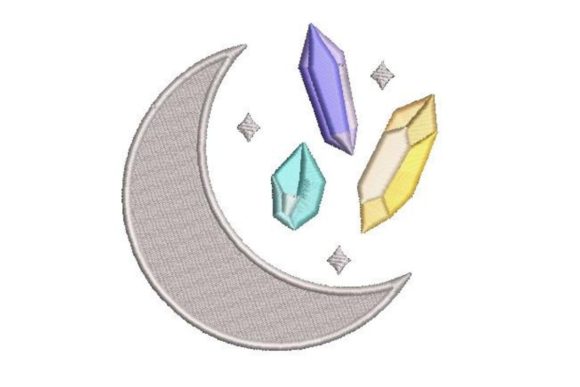
Crystals and Moon: A Designer's Honest Review
The First Impression: Sweetness Without Sacrificing Style
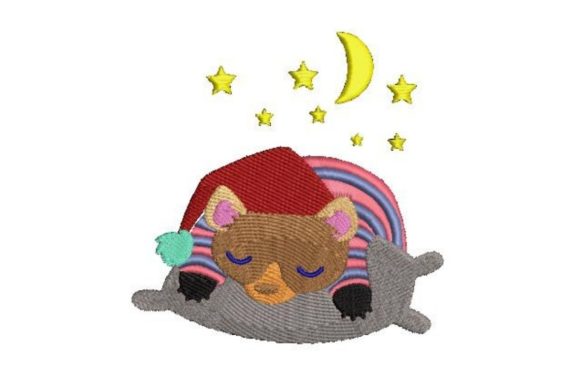
When I first opened the Crystals and Moon embroidery file, my immediate thought was: this is a confident little design. It has that soft, nursery-friendly vibe, but it doesn’t fall into the trap of being overly cluttered or cartoonish. The layout feels balanced, and the visual personality is gentle and magical—perfect for creating a sense of calm and wonder. As a designer, I appreciate that. It’s a theme that speaks to a specific mood without shouting.
The Natural Habitat: Where This Design Truly Belongs
This isn’t a design I’d throw onto just anything. Its natural habitat is clearly in the world of soft goods and personalized gifts. I visualized it immediately on a baby’s organic cotton romper, a linen pillow cover for a nursery, or a simple canvas tote bag meant for a baby shower gift. For Etsy sellers and small shop owners, this translates to products like embroidered baby blankets, delicate bibs, or even a framed hoop art piece. The Crystals and Moon design feels like it would elevate a simple item into a thoughtful, handmade presentation.
Thinking Through a Real Project: A Custom Embroidered Tote
Let’s walk through a real scenario. Say I’m preparing a custom embroidered tote bag as a gift. I’m considering Crystals and Moon. My first practical check is scale and placement. On a bag’s front panel, the design would need to sit comfortably without its finer details getting lost in the fabric’s texture. I’d think about thread color contrast—perhaps soft greys and pale blues on a natural canvas, or a more striking white and silver scheme on a darker heather fabric. The key is that the design’s clarity, those little crystal shapes and the moon’s outline, needs to survive the translation from digital file to physical stitches.
Performance Across Different Products
Beyond the tote, how would it perform? On a baby’s sweatshirt, the stitch density needs to be suitable for a knit fabric—too dense could make the garment stiff. On a cotton apron or a kitchen towel, it would likely shine, becoming a lovely decorative accent. As an embroidered patch, it could be charming, but I’d be cautious about the small details: those are the areas where stitch clarity is paramount. For holiday gifts, like a “welcome baby” present, or boutique branding on small shop merchandise, its appeal is in its giftability and recognition—it looks special, not generic.
Where to Use With Care: The Designer’s Caveats
This is where practical judgment comes in. I would advise using Crystals and Moon carefully on very small hoop sizes. If the design is scaled down significantly, those detailed corners and fine lines might blur into a satin stitch muddle. Textured or stretchy fabrics demand the right stabilizer; a thin fabric might show too much pull from the fill stitches. Dark fabric backgrounds require careful thread selection for contrast. And on curved surfaces like caps, the design’s layout would need testing to ensure it doesn’t distort.
For products destined for frequent washing—like baby clothing—the integrity of the embroidery is crucial. A well-digitized file with appropriate stitch density will hold up, but this is why a test run on scrap fabric is non-negotiable for any serious project, whether for a client or for your own craft business.
Impact on Value and Trust
From a business perspective, using a design like this effectively affects customer trust and product value. When a handmade product shows clear, clean embroidery with a cohesive theme like Crystals and Moon, it communicates professionalism. It tells the buyer that the maker paid attention. That builds brand consistency for creative entrepreneurs and increases buyer engagement. A messy, poorly-placed version of the same design, however, undermines all of that. The design itself is an asset; its execution is the key.
Essential Designer Notes Before You Hoop Up
Before I commit this to a final product, my routine is always the same. Test on scrap first. Use the same fabric and stabilizer you plan for the final item. Check thread color contrast not just on screen, but with actual threads against your material. Inspect the small details in the stitched-out sample—are they crisp?
I also recommend testing the design in a simple black and white digital mockup. This helps visualize it stripped of color, focusing purely on form and balance. Compare how it might look on light versus dark fabric backgrounds in your mind or with a quick sketch. And a critical, often overlooked step: confirm the licensing before selling finished items or commercial embroidery projects. The product description mentions it’s a machine embroidery design, but the specifics on personal versus commercial use are not detailed here. You must verify that.
The Final Verdict: A Versatile Gem for the Right Maker
Crystals and Moon isn’t a flashy, all-purpose design. It’s a specialized tool with a clear purpose. Its value lies in its mood and its potential to transform simple items into meaningful keepsakes or sellable boutique products. For embroidery designers and makers targeting the nursery, gift, or personalized apparel markets, this design file is a solid candidate. It asks for your careful application and technical respect—proper stabilizer, thoughtful fabric choice, mindful scaling. When given that, it will reward you with a finished product that feels both charming and professionally crafted. It’s a design that, stitched well, will make your customer pause and smile, and that’s ultimately the goal of any embroidery project.