An Embroidery Designer Reviews the Pear Ornament Cross Stitch
First Impression: A Friendly & Classic Branding Asset
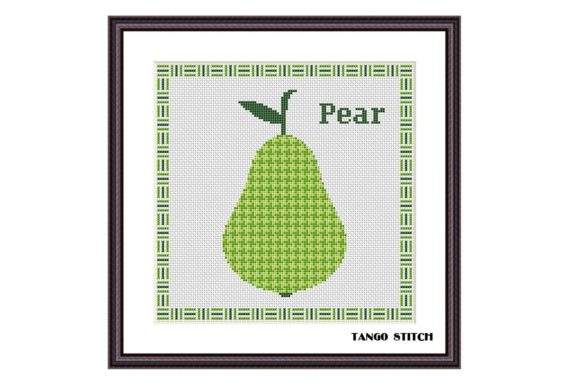
When a designer looks at a pattern like the Pear Ornament Kitchen Fruit Cross Stitch, the first question is always about its character. This design immediately feels warm, approachable, and classic. It carries a handmade sincerity that aligns perfectly with businesses built on personal touch—think cafes, bakeries, artisan food shops, boutique florists, or creative studios. The simple fruit motif is not overly ornate, which gives it a versatility that more complex designs often lack. It feels professional in its clarity but retains a playful, rustic charm that can make a brand feel friendly and authentic.
Real-World Business Applications for Branded Merchandise
From my perspective as someone who regularly sources embroidery files for client projects, this pattern's simplicity is its greatest strength for small business merch.
Embroidered Patches for Uniforms & Product Labels
A converted Pear Ornament Kitchen Fruit Cross Stitch into a machine embroidery file could become an excellent embroidered patch. This would be ideal for staff uniforms, especially on aprons or work shirts for a kitchen-focused business. The single-color outline suggested by the “full stitches” description creates a clean, bold shape that reads well from a distance. As a small patch on a tote bag or as an accent on product packaging, it acts as a subtle but recognizable brand identity marker.
Direct Embroidery on Caps, Totes, and Aprons
For direct cap embroidery or apron embroidery, the design’s likely moderate stitch density (if well-digitized) would be crucial. The pear shape, without tiny internal details, should translate well to curved surfaces like cap fronts and the textured fabric of canvas tote bags. It could serve as a perfect chest logo or sleeve detail for a boutique, making employee apparel look cohesive and branded without being overpowering.
Enhancing Handmade Product Presentation
For an Etsy seller or craft business, this pattern as a graphics asset or a stitched element on the product itself adds perceived value. Stitching it onto the corner of a tea towel or as part of a handmade product’s label reinforces the artisan story. It’s a visual cue that tells customers about care and craftsmanship.
Strategic Placement and Considerations for Professional Use
While the Pear Ornament Kitchen Fruit Cross Stitch is promising, successful implementation requires a designer’s careful eye.
Where It Will Shine
Custom apparel like polo shirts or lightweight jackets are prime candidates. The design’s likely bold outline will maintain integrity on various fabric textures. It’s excellent for event merch or customer gifts where you want the branding to feel special and not purely corporate. For a small commercial embroidery project, such as a run of branded aprons for a bakery opening, this motif would be a charming and effective choice.
Where to Use Caution
- Very Small Patch Sizes: If reduced to under an inch, the stem and leaf details might lose definition. Always test the digitized file at the intended miniature size.
- Dark Uniforms: The single-color approach means thread color contrast is paramount. On dark fabrics, a bright thread (like a cream or green) is essential for visibility.
- Items Requiring Frequent Washing: Simpler designs with fewer stitches often hold up better to laundering. This pattern appears suited for that, but proper stabilizer and quality thread are non-negotiable for durability.
Impact on Brand Identity and Customer Perception
Using a design like this on your merchandise does more than decorate; it communicates.
It builds customer trust by visually aligning your brand with natural, wholesome, or handmade values. For a pet brand specializing in natural treats or a florist, it subtly reinforces the core product. It enhances professionalism by showing a commitment to cohesive branding across uniforms, packaging, and gifts. This visual consistency makes a business look organized and intentional.
Furthermore, it can increase product value. A tote bag with a cleanly embroidered pear feels more premium than a blank one. It drives buyer engagement—people are more likely to remember and connect with a brand that uses pleasant, thoughtful imagery on its custom apparel.
Practical Designer Notes Before You Proceed
Before you commit this pattern to a production run, follow these steps. They are standard in my workflow for any digital embroidery file intended for business use.
- Test in Black and White First: Create a simple mockup. Does the shape remain recognizable without color? This tests its foundational strength.
- Check Performance at Small Patch Size: If you plan to use it as a small label patch, run a test stitch on scrap fabric at that size.
- Review Thread Color Contrast: Choose thread colors that pop against your standard background fabrics (aprons, caps, shirts).
- Inspect Spacing and Hoop Size: For machine embroidery, ensure the digitized file has appropriate stitch spacing to prevent puckering. Confirm the required hoop size fits your standard garments.
- Test on Real Fabric: Never rely on a screen preview. Stitch it on the actual fabric you’ll use—canvas for totes, twill for caps, cotton for shirts.
- Create a Printable Mockup for Client Approval: If you’re the designer producing merch for a client, show them how it will look on the final product.
- Compare Beside Other Design Assets: Place the embroidered sample beside your logo and other branding elements. Does it complement them visually?
- Confirm Commercial Licensing: The description mentions it’s a pattern. Before using it for any commercial embroidery or business merchandise, verify the license permits commercial use and derivative works like digitized embroidery files.
Ultimately, the Pear Ornament Kitchen Fruit Cross Stitch pattern presents a solid foundation for businesses seeking a friendly, rustic, and versatile branding element. Its clean, full-stitch approach suggests a design that can be robustly digitized and stitched reliably across a range of merchandise. By applying a professional designer’s due diligence—testing, comparing, and confirming licensing—you can transform this simple cross stitch pattern into a powerful, tangible asset for your brand’s story.