Vintage Heart Cross Stitch Pattern: A Designer's Hands-On Review
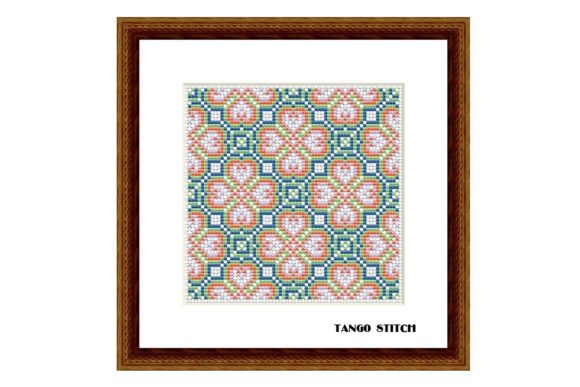
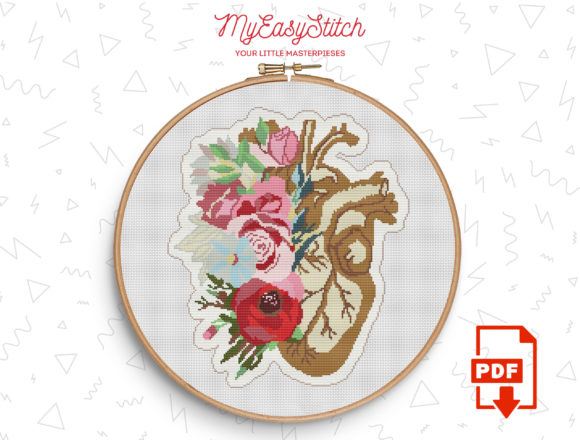
From a designer's perspective, the first thing I notice about this Vintage Heart Cross Stitch Pattern is its mood. It’s not overly sentimental; it feels grounded and timeless. The shape has a comforting, familiar geometry, but the layout suggests a hand-drawn quality that gives it personality. This isn't a generic, clip-art heart. It feels like something you'd find in a cherished sketchbook, which immediately tells me it belongs on projects meant to carry meaning—a personalized gift, a boutique kitchen towel, or a decorative pillow cover for a nursery.
Where This Pattern Finds Its True Home
In practical terms, this design has a strong visual presence. With an embroidered area of roughly 10.71 by 12.43 inches, it’s a statement piece. I’d instinctively lean towards using it on items where that scale can be appreciated without overwhelming the base product. Think of a sturdy canvas tote bag, the center panel of a throw pillow, or the back of a denim jacket. The 19 DMC colors offer a depth that moves beyond a simple flat graphic, creating a subtle vintage texture when stitched.
Let’s walk through a real scenario. Imagine you’re preparing a custom embroidered sweatshirt for a small shop’s holiday collection. Stitching this heart onto the front, using 14 count Aida as the pattern specifies, would result in a detailed, fabric-like appliqué effect. The finished product would feel premium—not because it’s flashy, but because the detail level suggests care and craftsmanship. That directly impacts customer trust and the perceived value of your handmade product. For an Etsy seller, this translates into better buyer engagement and photos that tell a story of quality.
Careful Considerations for a Perfect Finish
This pattern’s charm lies in its detail, which also requires some practical forethought. The specified stitch count of 150 by 174 means the design is relatively dense. On stretchy fabrics like t-shirts, or on curved surfaces like caps, you’ll need excellent stabilizer and possibly even to reconsider the full size to maintain clarity. I wouldn’t recommend shrinking it drastically for a small hoop; the intricate elements might lose their definition.
Dark fabric backgrounds present another consideration. With 19 colors, some may have low contrast against darker materials. Before committing to a black sweatshirt or a dark apron, test the design on scrap fabric first. Check how the proposed thread colors interact with your base material in both light and shadow. This step is crucial for maintaining the visual appeal and stitching clarity that make the pattern special.
Turning a Pattern into a Professional Product
For creative entrepreneurs and apparel decorators, the journey from a digital pattern to a sellable finished product is where judgment matters most. This Vintage Heart Cross Stitch Pattern, being a graphic file, is a design asset. Its application goes beyond a single hobby project. It could become the unifying brand element on a line of boutique tea towels and aprons, or a recurring motif in a craft business’s holiday gift collection.
To ensure professional results, always inspect the small details in a black and white mockup first. This helps you see the structure without color distraction. Confirm your hoop can accommodate the full size, and review the stitch density for your chosen fabric texture—a thick blanket might handle it beautifully, while a thin linen might require a lighter touch or backing. For products destined for frequent washing, like baby clothes or kitchen towels, ensure your stitching technique and finishing are robust enough to preserve the design’s integrity.
A Note on Commercial Use and Final Advice
A critical point for digital product sellers and small business owners: the product category is listed as Cross Stitch Patterns and the type as Graphics. Before using this pattern for commercial embroidery projects or selling the finished items, you must confirm the licensing terms. This is not a minor detail; it protects your business and respects the designer. Never assume a pattern is automatically licensed for commercial use without explicit permission.
In my final assessment, this vintage heart pattern is a robust, emotionally resonant design. It has the scale and color depth to elevate simple products into personalized gifts and meaningful merchandise. Its natural fit is on stable, decorative home goods and wearable accessories where its detail can be showcased. Approach it with a thoughtful, testing mindset—check color contrast, respect its size, and confirm its license—and it will reward you with a finished product that feels both handmade and professionally composed.