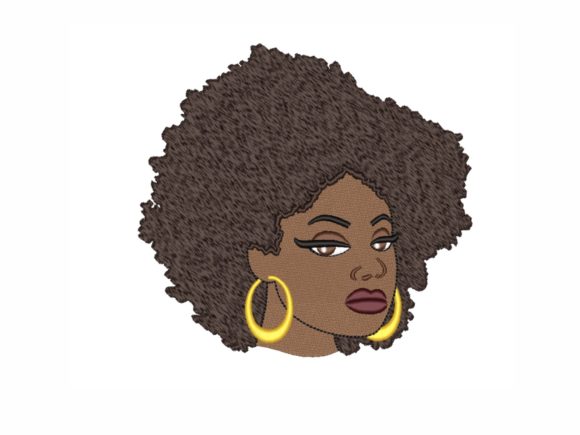
African American Black Woman: A Designer Review for Business Merch
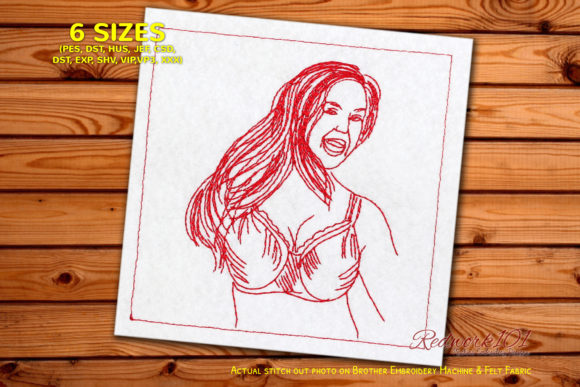
As a professional embroidery designer who works with small businesses daily, I constantly evaluate digital files for their real-world application on merchandise. Today, I’m reviewing African American Black Woman, a machine embroidery design described as powerful, strong, and extremely beautiful, for its potential in branded commercial projects.
First Impression: Visual Personality for Brand Identity
The title alone evokes a sense of dignified strength and elegance. For a business owner, this suggests a design that is likely both bold and classic. It feels premium and carries a weight that can enhance brand identity, moving beyond mere decoration to communicate values. For a boutique, creative studio, or any business rooted in community and artistry, this could be a powerful visual asset.
Real Business Applications: From Patches to Product Labels
This embroidery design isn’t just for personal projects. Its described character makes it a candidate for serious small business merch. Let’s explore practical uses.
Staff Uniforms and Professional Apparel
Imagine this design as a subtle chest logo on a café or bakery apron, or as a sleeve detail on a boutique staff shirt. Its powerful aesthetic can elevate standard uniforms, fostering a sense of team pride and presenting a professional, cohesive image to customers. It would work beautifully on work shirts for a florist or pet brand, adding a handmade touch that builds trust.
Branded Patches and Merchandise Accents
As an embroidered patch, African American Black Woman opens many doors. A small business could apply it to tote bags, caps, or as an accent on product packaging for a handmade shop. This transforms generic items into unique branded merchandise. For Etsy sellers or craft businesses, such a patch can become a signature mark on customer gifts or event merch, increasing product value and recognition.
Tote Bags, Caps, and Customer Engagement
A tote bag featuring this design becomes a statement piece, not just a carry-all. Similarly, on the front of a cap, it creates a modern, elegant accessory for a local business. These items drive customer engagement and serve as walking advertisements. The design’s beauty, as described, aims to resonate emotionally, making the finished product more desirable.
Considerations for Successful Commercial Embroidery
While the potential is strong, practical execution matters. Here are key points to evaluate before production.
Scale, Density, and Surface Challenges
Not all designs perform well at all sizes. You must test this embroidery file at your intended patch size, especially for small cap fronts or tiny product labels. High stitch density in detailed areas might require adjustment for curved surfaces or textured fabric like denim. Check how it embroiders on dark uniforms if the design uses lighter thread colors; contrast is crucial for visibility.
Fabric, Wear, and Technical Setup
Items like aprons or work shirts need frequent washing. A robust design with good spacing and proper stabilizer use will ensure longevity. Always test on real fabric samples first—don’t rely on the digital preview alone. Confirm the hoop size needed and that your machine can handle the file formats provided. Creating a printable mockup for client approval is a vital step in the commercial embroidery process.
Integrating into Your Visual Ecosystem
Place this design beside your other brand assets. Does it complement your logo and overall aesthetic? Consistency reinforces professionalism. For a business in the Beauty category, this embroidery could visually align with a brand celebrating strength and artistry.
Designer Notes for a Smooth Production Run
Based on experience, here is my checklist for using African American Black Woman in your business.
- Test in Monochrome First: Run a test in black and white thread to evaluate form and clarity without color complexity.
- Verify Small-Scale Performance: Embroider it at your smallest intended size (e.g., 2-inch patch) to check for lost detail.
- Review Thread Color Contrast: Plan your color palette for the target fabric, especially on dark backgrounds.
- Inspect Spacing and Stitch Density: Ensure elements aren’t too tight, which can cause puckering on textured fabric.
- Confirm Commercial Licensing: The description mentions multiple embroidery file formats. Before any business use, verify the license permits commercial embroidery on merchandise for sale.
- Compare and Mockup: Create a mockup of the finished product (e.g., a cap or tote) to see the full effect before bulk production.
Final Assessment: Business Value Beyond the Stitches
African American Black Woman presents a visually strong option for businesses seeking to add meaningful artistry to their merchandise. Its described qualities suggest it can enhance brand identity, customer trust, and the perceived value of your custom apparel. It moves a product from generic to handmade and intentional.
However, its success hinges on thorough testing and integration. It is not merely an embroidery file; it’s a potential brand asset. For the embroidery shop or apparel decorator, offering this design to clients as a solution for premium patches, apron embroidery, or tote bag designs requires due diligence on the technical details not provided in the description—like exact stitch count or minimum hoop size. Always advise your clients, the small business owners and merch creators, to check those specifics before committing to a production run.
In the right context, on the right item, this design can tell a story that aligns with a brand’s values, making that café, studio, or boutique’s merchandise not just seen, but remembered.