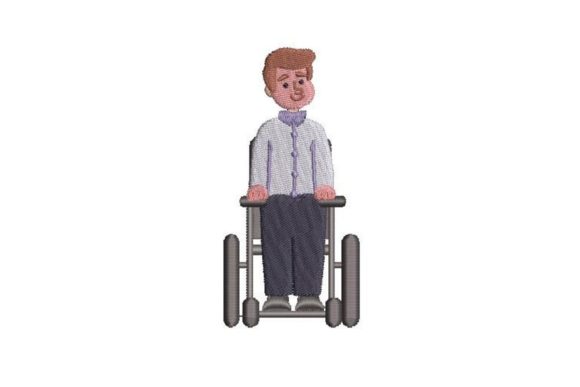
A Review of the Quadriplegic Person Embroidery Design
As someone who designs and sells embroidered goods at craft fairs, my first task with any new design is a practical one: can I turn this into a product that sells? Today, I'm looking at the Quadriplegic Person embroidery file, categorized for Awareness, and evaluating its potential for handmade market products.
First Impression and Design Mood
The Quadriplegic Person design presents itself immediately as a symbol of support and awareness. From a craft fair seller's perspective, this creates a distinct mood. It feels bold, meaningful, and modern. It isn't cute or festive; it’s declarative and thoughtful. This mood is crucial because it dictates which products it will work on and who will be drawn to it in a busy booth. It speaks to a sense of community and empathy, which can be a powerful driver for handmade product sales, especially when the design itself is visually clear and well-executed.
Product Placement and Booth Display Strategy
Imagine your table: tote bags, aprons, tea towels, patches, caps, and pillow covers. Where does Quadriplegic Person stand out? My instinct is that its strength lies on items that are both visible and personal. An embroidered patch, applied to a bag or jacket, becomes a permanent statement. A tote bag with this design is not just a carrier; it's a conversation piece. On a pillow cover in a home, it’s a quiet but constant symbol.
For maximum impact at a weekend craft fair, I would create a small cluster of products featuring this design. A premium canvas tote bag as the focal point, a simple tea towel, and perhaps a set of embroidered patches displayed on a card. This shows versatility and allows customers to choose how they wish to wear or use the sentiment. The key is to place these items slightly apart from more whimsical designs; let Quadriplegic Person command its own space so customers looking for meaningful gifts can find it easily.
Evaluating Specific Products for Quadriplegic Person
- Tote Bags & Market Bags: Excellent choice. The design becomes a large, clear focal point. It elevates a simple bag into an awareness product, adding perceived value. Ensure the fabric is sturdy enough for the stitch density.
- Aprons & Kitchen Towels: Good, but consider the context. A tea towel embroidery might be seen as a supportive gift for a caregiver or someone who loves to cook. The rustic texture of a towel can add a soft, handmade quality, but test thread contrast carefully.
- Embroidered Patches: Potentially the best seller. Patches are versatile, affordable, and easy to produce in batches. They allow the buyer to apply the support symbol anywhere. This is a perfect small shop product.
- Caps: Challenging due to the curved surface. The design must be tested on scrap cap fabric first. Small lettering or intricate details may lose clarity here.
- Pillow Covers & Pouches: Strong for home decor or personal items. A pillow cover makes a thoughtful, giftable handmade item. A small fabric pouch becomes a premium, daily-use accessory.
- Booth Samples & Mockups: Absolutely create at least one real, physical mockup. A finished product hanging in your booth is far more compelling than a digital image. For your Etsy listings, use photographs of this real product alongside clean printable mockups to show scale and application.
Production and Practical Embroidery Notes
Turning a digital embroidery file into a successful craft fair product requires hands-on testing. For Quadriplegic Person, here are my professional notes.
First, test the design on scrap fabric that matches your intended final product—be it canvas, linen, or cotton twill. Check the thread contrast. On dark fabric, you may need to adjust colors or use a lighter backing to ensure the design pops. Inspect the stitch density; dense areas can pucker on lightweight fabrics without the proper stabilizer. The right stabilizer is non-negotiable for a clean finish.
Review the design's clarity at different sizes. Does it work as a small accent on a cap, or does it need to be a large focal point on a bag? This affects your hoop size choices and production speed. Small lettering, if present, can be tricky on textured towels or curved surfaces. Batch production is feasible if the design is straightforward and doesn't consume excessive thread or time, but always confirm your commercial embroidery licensing for the digital file before selling finished products.
Selling Points and Customer Engagement
This design affects customer attention in a specific way. It won’t attract everyone, but it will deeply resonate with some. Its value is emotional and social, which can translate into a willingness to pay for quality craftsmanship. The handmade quality of the embroidery—clean stitches, good fabric choice—reinforces the sincerity of the message.
For brand consistency, if your shop focuses on awareness or supportive messaging, Quadriplegic Person fits seamlessly. It strengthens a booth display by showing depth and thoughtfulness beyond purely decorative items. To engage buyers, have a simple, respectful explanation ready, perhaps on a small tag: "A symbol of support and awareness." Let the product speak for itself.
Final Recommendations for the Maker
Quadriplegic Person is a design with clear purpose and strong visual potential for an embroidery business. To give it the best chance to sell:
- Start with Patches and a Tote Bag. These are high-visibility, practical formats that showcase the design well.
- Photograph it on Real Products. For your Etsy listings and social media, images of the design on actual fabric, in natural light, will sell better than digital mockups alone.
- Mind the Fabric and Thread. Compare fabric colors before committing. A bold design on a neutral background often looks most premium.
- Display it with Confidence. At the craft fair, group it with similar thoughtful items to create a niche within your booth that appeals to customers seeking meaningful gifts.
As with any machine embroidery design destined for commercial use, your final step is always practical: run the file, make the sample, and see it in person. That's where you truly judge if Quadriplegic Person will become a staple in your lineup of handmade products.