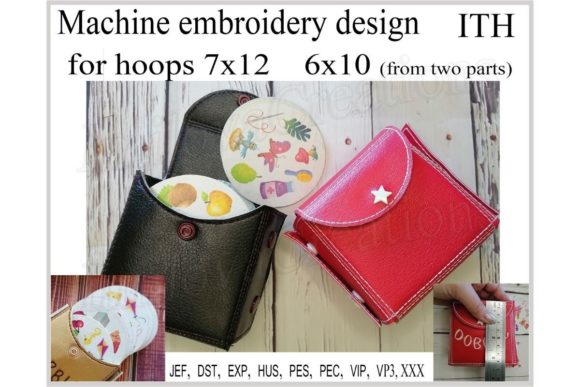
A Designer's Review of the Playing Card Case Embroidery
As an embroidery designer preparing for a weekend craft fair, every new design needs to be evaluated not just for its aesthetic appeal, but for its real-world selling power. When considering the Playing Card Case in the Hoop embroidery file for my booth, my first impression is that it leans toward a cheerful and playful mood. The title suggests a functional, giftable item perfect for the Games category, which is a smart niche at markets filled with handmade goods.
Where This Design Stands Out on the Craft Fair Table
My display typically includes embroidered tote bags, aprons, tea towels, caps, and small pouches. The Playing Card Case in the Hoop would act as a focal point on a dedicated shelf of smaller, practical gifts. It wouldn't compete with a large apron design; instead, it creates a specialized product line. Customers browsing for unique, usable items—not just decorative ones—would notice it immediately. Its clear purpose (a case for cards) makes it easy to understand at a glance, which is crucial for fast booth engagement.
Performance Across Different Handmade Products
This machine embroidery design promises versatility with multiple sizes, which is excellent for product development. Here’s how I see it performing on key craft fair products:
- Tote Bags & Market Bags: As a larger focal design on a bag pocket, it could be bold and fun. However, on textured bag fabric, stitch density must be sufficient to prevent sagging.
- Aprons & Kitchen Towels: For a tea towel embroidery, it might feel too specific unless themed for game nights. On an apron, it could be a cute accent on a lower corner.
- Embroidered Patches: A standalone embroidered patch of this design could sell well to card players looking to personalize their gear. Tiny details and small lettering need careful review for patch clarity.
- Fabric Pouches & Pillow Covers: This is its natural home. Creating a real, functional card case as a small shop product is the highest-value application. It turns the embroidery into a finished, usable product, elevating perceived value.
- Caps: Embroidered on curved cap surfaces, the design would need to be simplified and sized appropriately. Dense stitch areas on stiff cap fabric can be tricky.
- Printable Mockups & Etsy Listings: For digital sellers, this design creates strong design assets. It photographs well as a clean, graphic element, important for online sales.
Practical Production & Selling Considerations
Turning a digital embroidery file into profitable handmade products requires a practical eye.
Batch Production and Efficiency
The description calls it an "easy project," which hints at good production repeatability. For batch-producing card cases or patches, a straightforward design is key. However, the note that "some may be taller or wider depending" means I must confirm the specific hoop sizes before planning my production runs. Consistency in final product dimensions is vital for commercial embroidery.
Critical Design Details That Affect Quality
As a designer, my pre-production checklist for the Playing Card Case in the Hoop includes:
- Test on Scrap Fabric: First run on similar material to my final product (e.g., cotton for pouches, twill for patches).
- Check Thread Contrast: Especially if stitching on dark fabric, which can swallow light-colored details.
- Review Spacing and Stitch Density: Ensure tiny elements are clear and dense areas won't distort lightweight fabric.
- Use the Right Stabilizer: This dictates the professional finish of the final finished product.
- Create One Real Mockup: Absolutely mandatory. I need to see, feel, and use the actual card case to judge its handmade quality and appeal.
- Compare Fabric Colors: How does the design look on natural linen versus bright white? This expands my product line options.
- Confirm Commercial Licensing: Before selling any products at the fair, I must verify the license terms of the embroidery file itself.
Boosting Booth Appeal and Customer Engagement
This design affects several key sales factors:
- Visual Appeal: Its cheerful nature attracts a positive, fun-seeking customer.
- Product Value: As a functional case, it justifies a higher price than a decorative patch alone.
- Brand Consistency: For a maker focused on games, puzzles, or playful home goods, it strengthens a cohesive brand story.
- Booth Display Strength: A stack of embroidered card cases, paired with a deck of cards, creates an irresistible interactive display.
- Buyer Engagement: It prompts conversation—"Oh, that's perfect for our family game nights!"—which directly leads to sales.
A Final Word for Creative Entrepreneurs
The Playing Card Case in the Hoop presents a compelling opportunity for Etsy sellers, boutique makers, and craft fair vendors. Its success hinges on treating it as a product, not just a design. By focusing on its best application—as a finished embroidered pouch or case—and rigorously testing its production on real fabrics, you transform a cheerful digital file into a tangible, sellable star of your handmade booth. Remember, at the fair, customers buy what they can see, touch, and immediately understand. This design, executed well, delivers on all three.