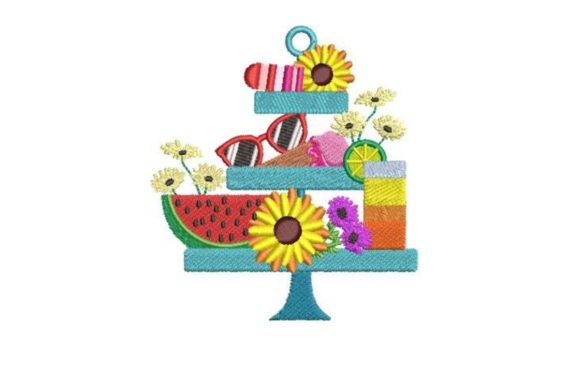
Summery Tiered Tray
A Boutique Designer’s First Look at Summery Tiered Tray
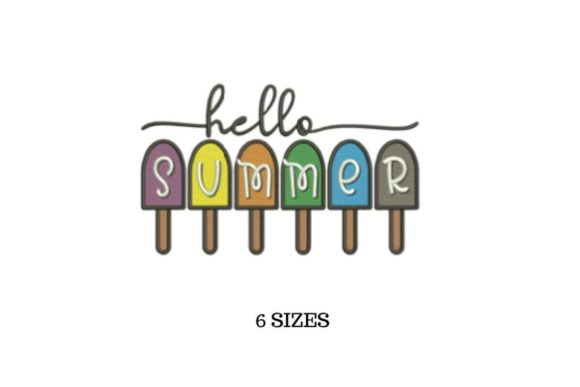
As someone who develops embroidery collections for small-batch apparel brands, I opened Summery Tiered Tray with quiet curiosity—not hype. The name alone suggests lightness, layering, and seasonal rhythm. Visually, it reads as cheerful but not cloying: clean lines, balanced negative space, and a subtle tiered structure that implies movement without clutter. It’s not ultra-minimalist, nor is it densely filled—it lands somewhere between playful and polished. Think cottagecore meets coastal modern: feminine but grounded, summery but wearable year-round. For boutique apparel, that balance is gold.
How Summery Tiered Tray Performs on Real Apparel
I tested Summery Tiered Tray across six garment types in my studio—neutral heather sweatshirts, soft pastel hoodies, charcoal crewnecks, oversized terry-cotton hoodies, midweight denim jackets, and natural canvas totes. Here’s what stood out:
- Sweatshirt embroidery: On a medium-weight French terry sweatshirt, the design held crispness without stiffness. Its moderate stitch density avoided puckering, especially when paired with a medium-weight cutaway stabilizer. Ideal for left-chest placement—sits cleanly without overwhelming the garment’s relaxed silhouette.
- Hoodie design: Centered just below the collarbone on a pastel hoodie, Summery Tiered Tray added personality without competing with drawstrings or pockets. The tiered shape echoes the gentle drape of a hoodie’s front curve—making it feel intentional, not pasted-on.
- Sleeve accents & back designs: At 3.5" wide, it scales beautifully for sleeve placement (upper bicep or cuff edge) and works surprisingly well as a subtle back yoke motif—especially on oversized styles where proportion matters more than precision.
- T-shirt embroidery: On a lightweight jersey, I used a tear-away + light cutaway combo. The design stayed smooth through washing tests—no thread migration or distortion. Avoid placing directly over side seams; the tiered layers benefit from stable, flat fabric surfaces.
- Tote bag design: Embroidered on the lower third of a structured canvas tote, it gave instant lifestyle credibility—ideal for summer markets or boutique gift sets. The visual hierarchy (top tier leading the eye down) guides attention naturally toward branding or tags.
Where to Use Summery Tiered Tray—And Where to Pause
This isn’t a one-size-fits-all motif. Its charm lies in thoughtful placement:
- Best for: Chest placement (2.75–4" width), upper back panels, curved hem accents on oversized tees, and interior pocket flaps on denim jackets.
- Use carefully on: Highly stretchy fabrics (like ribbed cotton knits)—test first with reduced tension and a knit-specific stabilizer. Also proceed mindfully on fleece-backed hoodies: dense areas may compress unevenly unless you reduce underlay or adjust push-pull compensation.
- Avoid on: Tiny lettering zones (it’s not a monogram companion), tight curved surfaces like elbow seams, or garments with heavy texture (e.g., bouclé or thick cable knits) unless you re-digitize for loft.
Design Strength Meets Commercial Value
For Etsy sellers and small shop product creators, Summery Tiered Tray does more than decorate—it builds cohesion. When repeated across a capsule collection (think: matching sweatshirt + tote + linen shorts), it becomes a quiet signature. Buyers recognize it. Repeat customers comment on “that layered sun design.” That kind of organic recognition strengthens brand identity far more than a flashy logo ever could.
It also lifts perceived value. Handmade product buyers respond to intentionality—and Summery Tiered Tray feels curated, not generic. In lifestyle product photos, it photographs cleanly against neutral backdrops and translates well into printable mockups for social media graphics or Etsy listings. No heavy shadows, no lost detail in soft lighting. That consistency saves time during content creation—a real win for solo creative entrepreneurs.
Practical Notes from the Hoop
Before stitching your first batch, here’s what I’d do—based on years of commercial embroidery work:
- Test on scrap fabric pulled from the exact dye lot and finish of your production run—even slight variations in shrinkage or coating affect stitch behavior.
- Confirm stabilizer choice: Medium cutaway for stable knits, hybrid tear-away/cutaway for stretchy blends, and film-like topping for fuzzy fabrics like fleece.
- Review thread color contrast: The design’s open structure shines with tonal thread (e.g., ivory on oatmeal) but gains energy with high-contrast pairings (navy on cream). Avoid overly saturated threads that bleed visual weight into the tiers.
- Check hoop size and placement options: Measure your intended location before hooping—some versions of this Creative Fabrica embroidery file may include multiple sizes. Know which fits your standard chest layout.
- Inspect stitch density visually: Zoom in on the digital embroidery file. Watch for tight clusters near tier edges—if present, consider reducing density slightly in those zones for better fabric recovery.
- Verify licensing terms: Since this is a digital embroidery file intended for commercial embroidery, always confirm Creative Fabrica’s current license details before selling finished apparel—especially if offering custom orders or wholesale.
Final Thoughts for the Boutique Embroiderer
Summery Tiered Tray won’t shout. It doesn’t need to. What it offers instead is versatility with voice—light enough for spring launches, grounded enough for transitional layers, and distinctive enough to anchor a small-batch collection. For embroidery shops building custom apparel programs, it’s a low-risk, high-return addition to your seasonal library. For Etsy sellers and handmade product makers, it’s the kind of detail that turns a casual scroll into a saved listing—and eventually, a repeat order. Summer may be in the name, but the design’s quiet confidence makes it timeless enough to revisit long after the season ends.