Harp: A Delicate Embroidery Design for Boutique Apparel
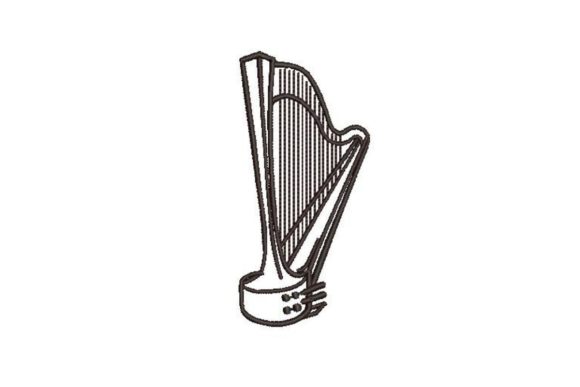
As an embroidery designer planning a new sweatshirt collection for my shop, I often browse Creative Fabrica for inspiration and well-digitized files. When I saw the Harp embroidery design listed under Music, its visual personality immediately struck me. It’s not a bold, graphic icon; it’s a delicate, featured illustration with a sense of graceful detail. My first impression was that this design carries a classic, feminine, and premium mood, yet it’s versatile enough to feel casually elegant on everyday apparel.
The Visual Mood and Decorative Strength of Harp
The harp design feels beautifully balanced. It’s detailed enough to be interesting, but not so dense that it would overwhelm a garment. For boutique apparel decorators, this is a key consideration. It has decorative strength without being overly loud, making it suitable for a range of brands—from those aiming for a cute, playful aesthetic to those seeking a more refined, minimal look. On a neutral sweatshirt, like a cream or oatmeal color, I imagine it would look softly elegant. On a pastel hoodie, it would enhance that cozy, gentle vibe. Even on dark apparel, like a black denim jacket or a deep navy sweatshirt, with the right thread color contrast, it could become a striking, sophisticated accent.
Planning a Sweatshirt Collection with Harp
When I think about applying this to a small sweatshirt or hoodie collection for my online shop, several placements come to mind. The harp is a compelling candidate for a classic hoodie chest placement. Its vertical orientation and elegant shape would sit beautifully just left or right of center. For a more subtle approach, it could work as a sleeve accent, adding a unique touch without dominating the garment. On oversized garments, where the fabric area is larger, it could even serve as a tasteful back design, especially if paired with minimal text or a small brand logo.
Beyond sweatshirts, its application is broad. On a simple t-shirt, it would elevate a basic piece into a boutique-ready item. Applied to a tote bag, it instantly creates a lifestyle product that feels handmade and special. These applications are perfect for Etsy sellers and small clothing brands looking to build product recognition and visual consistency across their range.
Where Harp Enhances Brand Identity and Value
Using a well-digitized design like Harp can directly affect perceived apparel value. On a cozy seasonal outfit, it adds a layer of thoughtful decoration that suggests quality and attention to detail. For brand identity, a music-themed design can attract a specific audience, building customer engagement with those who appreciate that aesthetic. In product photos for Etsy listings, social media graphics, or printable mockups, a clean, well-executed embroidery design like this contributes to a professional presentation. It builds buyer trust—they can see the craftsmanship in the finished product.
Practical Performance for Commercial Embroidery
The product description notes it is "very well digitized," which is the most critical endorsement for any commercial embroidery project. Good digitizing means predictable performance on the machine, which translates to reliable, high-quality results on finished products. For sweatshirt embroidery specifically, which often involves stretchy fleece or ribbed fabrics, a clean file is essential to prevent puckering or distortion.
However, even with a well-made file, thoughtful application is key. For this harp design, I would consider a few points carefully. The design appears to have fine lines and detail. On very small chest placements, some of that intricacy might be lost if hooped too tiny. On dense stitch areas within the design, using the correct stabilizer for the fabric weight—especially for fleece—will be crucial. Dark garments require high-contrast thread colors to make the design pop, but also careful tension settings to avoid shadowing. Curved surfaces, like the shoulder area of a sweatshirt, need proper hooping and possibly adhesive stabilizer to maintain registration.
Essential Designer Notes Before Production
Before running this Creative Fabrica embroidery file on any garment for sale, I follow a standard set of checks. First, I always test on scrap fabric that matches my final garment fabric. This reveals how the stitch density interacts with the material’s texture. I check my stabilizer choice—for sweatshirts, a cutaway might be best for durability. I review thread color contrast against my fabric samples to plan my palette. I confirm the required hoop size by inspecting the design dimensions in my software; the product description mentions it comes with multiple file formats, so I would ensure I’m using the correct one for my machine and hoop.
I compare placement options on an actual garment mockup to visualize the final look. Finally, I always double-check the Creative Fabrica product details and licensing terms before selling finished apparel. It’s vital to understand the commercial use permissions for any digital embroidery file. The description provided doesn’t specify stitch count or exact hoop sizes, so I would rely on the file information in my embroidery software and potentially the details on the Creative Fabrica product page to confirm those specifics.
Harp as a Versatile Asset for Creative Entrepreneurs
For crafters, digital sellers, and creative entrepreneurs, the harp design offers a versatile asset. Its delicate touch aligns with trends in personalized, meaningful decoration. It can be the centerpiece of a music-inspired collection or a subtle accent in a broader line. Its classic nature means it isn’t overly trendy, giving it longevity in a shop’s catalogue. By thoughtfully integrating it into apparel—from tote bags to denim jackets—a small shop can create a cohesive brand story that resonates with customers looking for something uniquely handmade.
In the end, the value of an embroidery file like this isn’t just in the stitch it produces; it’s in the ideas it enables. The harp design, with its graceful features, provides a ready-made element of beauty that can transform a simple garment into a boutique product. For anyone building a brand around custom apparel, such a resource is a practical tool for elevating their work, provided it is applied with the same care and professional judgment that went into its digitizing.