Feather One Line: Simple, Chic, and Surprisingly Versatile
A Designer’s First Impression—Before the Needle Even Moves
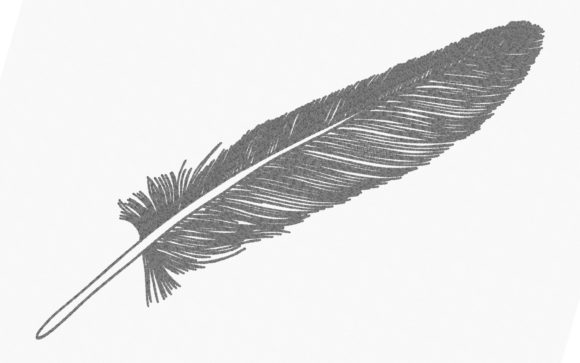
When Feather One Line landed in my inbox, I paused—not because it’s flashy, but because it’s quiet. That kind of restraint is rare in machine embroidery design. It’s not a flock, not a nest, not even a full feather with barbs and fluff. Just one clean, fluid contour tracing the elegant curve of a single plume. The mood? Calm confidence. Minimalist, yes—but not cold. There’s warmth in its flow, intention in its negative space. As a designer who’s stitched hundreds of Birds category pieces, I immediately saw how this could elevate a handmade product without shouting for attention.
Real-World Test: A Linen Tote Bag for a Local Boutique
Last week, I used Feather One Line on a natural linen tote for a small shop launch—no monogram, no text, just that single line centered low on the front panel. The result? Customers paused. Not to read a label, but to trace the shape with their eyes. That’s the power of subtlety done right. It felt intentional, not generic. It looked handmade—not because it was imperfect, but because it carried the quiet signature of thoughtful curation. For Etsy sellers or craft fair vendors, that pause is gold: it invites connection before the price tag is even seen.
Where Feather One Line Shines (and Where It Needs Care)
This embroidery file thrives where less is more:
- Custom apparel: Works beautifully on lightweight sweatshirts and structured tees—especially when placed asymmetrically on the chest or sleeve cuff.
- Tote bag design and apron embroidery: Its clean silhouette reads clearly at medium scale, even from across a market stall.
- Baby embroidery and nursery decor: No sharp corners, no dense fill stitch—just soft visual weight. Ideal for onesies, burp cloths, or pillow covers where delicacy matters.
- Holiday embroidery and wedding gifts: Pair it with neutral thread on ivory linen for a modern heirloom feel—no seasonal clichés required.
But—and this matters—it’s not universally forgiving. On highly textured fabrics like bouclé or thick terry cloth, the line can blur unless you adjust stabilizer and tension. On stretchy fabric (think ribbed knit baby caps), it needs careful hooping and possibly a light cutaway backing. And while it’s not an applique design, don’t assume it’ll hold up on curved surfaces like baseball caps without testing hoop rotation and stitch direction first.
What It Does for Your Craft Business—Beyond the Stitch
Feather One Line quietly lifts perceived value. Because it’s simple, buyers assume it’s easy—but experienced embroiderers know better: simplicity demands precision. When executed well, it signals craftsmanship, not convenience. That builds customer trust, especially for personalized gift buyers who equate clean lines with care.
For digital product sellers, this is strong design assets material. It scales cleanly for printable mockups—whether you’re showing it on a tea towel or a minimalist pillow cover. And unlike busier Birds embroidery motifs, it doesn’t compete with branding. A boutique owner can use it as a subtle logo accent across packaging, tags, and social posts without visual fatigue.
Practical Embroidery Designer Notes—No Guesswork Allowed
Before stitching your first finished product, do these five things:
- Test on scrap fabric—not just the same fiber, but the same weight and drape as your final project.
- Check thread color contrast carefully. A charcoal gray line on oatmeal linen reads differently than on black cotton. Don’t rely on screen previews alone.
- Review stitch density. Even minimal designs can over-stitch tiny curves. Zoom in on the file—if the inner bend looks heavy, consider reducing density by 5–8%.
- Confirm hoop size compatibility. This isn’t a large-scale motif, but if you’re planning multiple placements (e.g., a set of four matching kitchen towels), ensure consistent positioning across hoops.
- Inspect small details in both black-and-white and color mockups. Does the line taper cleanly? Does it disappear against dark backgrounds? Does it hold integrity at 1.5" height?
Also: use proper stabilizer—not just “some” stabilizer. A lightweight tear-away works for stable cottons, but for anything delicate or stretchy, go hybrid or cutaway. And always verify licensing before selling finished items or bundling Feather One Line into commercial embroidery kits.
Final Thought: Not Every Feather Needs to Fly
In a world saturated with ornate, over-digitized motifs, Feather One Line reminds us that elegance lives in restraint. It won’t dominate a garment—but it will anchor it. It won’t scream “look at me!”—but it will make people look twice, then smile, then remember your brand. For small shop owners, Etsy sellers, and creative entrepreneurs building a distinct handmade product line, that kind of quiet resonance isn’t just nice—it’s strategic. Use it thoughtfully, test it honestly, and let its simplicity do the talking.