Back View of Flat Vector: A Designer's Review for Craft Fair Success
When preparing products for a weekend craft fair booth, every design choice matters. Your table display must speak directly to customers walking by, telling a story through your embroidered tote bags, aprons, tea towels, and patches. Today, I'm reviewing the Back View of Flat Vector embroidery design from a purely practical, sales-focused perspective. Is this design a winner for handmade market products? Let's break it down.
First Impression: A Soft, Universal Appeal
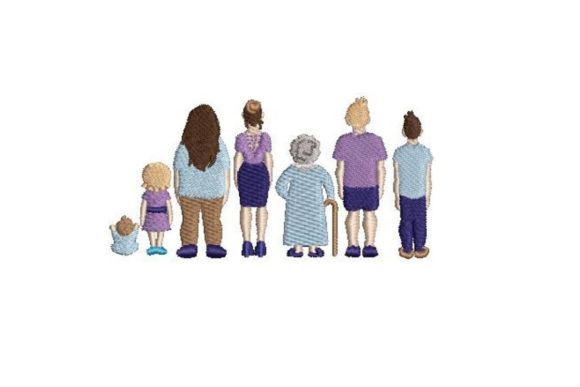
Based on the description—a flat vector of multiple people of different ages representing family—this design immediately lands in the soft and decorative category. It's not bold or funny, nor overly rustic or minimal. Instead, it evokes a sense of connection and togetherness. This is a significant advantage. At a bustling craft fair, a design that subtly suggests family, relationships, or community can attract a wide range of customers without being overly specific. It feels special and gentle, which is a perfect mood for giftable handmade items.
Product Performance: Where Will This Design Sell Best?
Not every embroidery file performs equally across all products. For Back View of Flat Vector, your choice of base product will dramatically affect its sales potential.
Top Tier Products for Maximum Impact
- Pillow Covers: This is likely the premier application. The design's soft, decorative nature makes it ideal for home décor. A pillow cover embroidered with this vector feels premium and personal, increasing perceived value.
- Tote Bags & Market Bags: As a medium-to-large focal design on the front of a bag, it creates a lovely, understated statement. It works exceptionally well on natural canvas or linen, enhancing that handmade quality.
- Tea Towels & Aprons: In the kitchen category, this design adds a decorative, family-oriented touch without being kitschy. It elevates a simple tea towel or apron into a thoughtful gift.
- Embroidered Patches: This is a fantastic option for versatility. Customers might buy a patch to customize their own belongings, and the family theme has broad appeal.
Considerations for Other Applications
- Caps: The curved surface of a cap can distort a flat vector. You must test this on a scrap cap fabric first. If the design has dense stitch areas, it might not lay well on the curved panel.
- Small Pouches & Fabric Pouches: As a smaller accent, it could work beautifully, but clarity is key. Ensure the design's details remain clear when reduced in size.
- Dark Fabric: The description mentions it's easy to embroider, but you must carefully plan thread color contrast. On dark fabrics, you may need lighter, brighter threads to maintain the design's gentle visibility.
Practical Production & Booth Display Points
Turning a digital embroidery file into a profitable craft fair product requires a pragmatic workflow.
Batch Production and Photographing for Sale
The design being described as "easy to embroider" is a major plus for batch production. This suggests manageable stitch density and a straightforward path. For your Etsy listings and printable mockups, this design should photograph well. Its flat vector style likely means clean lines and good contrast, making it look sharp in online photos. However, always create at least one real mockup before batch production. Photograph that actual embroidered tote bag or pillow in natural light. This reveals how it truly looks on fabric texture, which is often different from a digital preview.
Customer Attention at the Booth
On your display table, Back View of Flat Vector products will attract attention through their thematic warmth, not through loud graphics. Group them together to create a cohesive story. A pillow cover next to a matching tea towel creates a powerful display that suggests a "family & home" collection. This boosts booth display strength and encourages buyers to engage, as they see the design's versatile application.
Careful-Use Notes for the Embroidery Designer
As a professional, my notes before loading this machine embroidery design into my machine are always centered on execution.
- Test on Scrap Fabric First: Always. Use the same fabric type as your final product (e.g., cotton for towels, canvas for bags). This checks for any puckering or stitch density issues.
- Review Hoop Size & Stabilizer: The description does not specify a hoop size, so you must check the embroidery file details. Match the stabilizer to your fabric—a sturdy stabilizer for textured towels, a lighter one for pillow cover fabrics.
- Check Thread Contrast: For a design representing people, contrast is essential for clarity. Test your thread colors on both light and dark fabric swatches.
- Inspect for Tiny Details: If the vector includes small facial features or fine lines, these may lose clarity at very small sizes. Avoid scaling it down too much for caps or small pouches.
- Confirm Commercial Licensing: The description notes it comes with commercial use? You must verify the exact license terms before selling finished products at your fair or online shop.
Final Judgment: A Strong Contender for Gift-Driven Sales
The Back View of Flat Vector is a design with significant potential for craft fair sellers and small shop owners. Its universal, family-oriented theme taps into a deep emotional drive for customers shopping for gifts. It enhances product value by feeling special and handmade. For production, its described ease of embroidery makes it a practical choice for creating batches of consistent, high-quality items. Focus its application on home décor and wearable accessories where its soft, decorative style shines. Pair it with quality fabrics and thoughtful thread colors, and this design will not only look good in person but will also become a quiet standout in your booth, inviting customers to connect and, ultimately, to purchase.