A Football Helmet Design That Stitches with Character
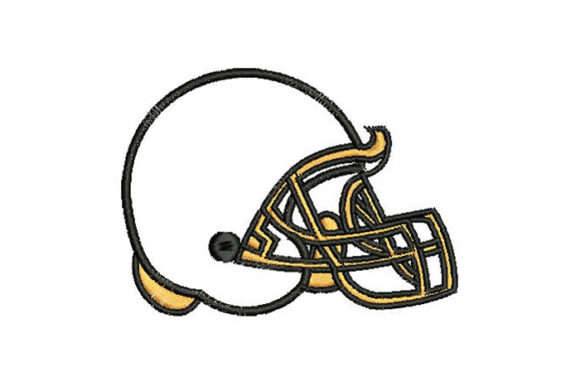
When I first opened this American Football Helmet embroidery design, my immediate impression was one of bold, clean sports energy. It’s not overly aggressive or cartoonish; it has a classic, recognizable silhouette that feels instantly familiar. The mood is straightforward and confident—perfect for anyone who loves the game without needing excessive fanfare. The layout is balanced, and the detail level suggests it’s designed for clarity when stitched, not just for screen viewing. This isn’t a niche, hyper-detailed illustration; it’s a solid emblem. That visual personality tells me it belongs on projects where the theme should be clear and legible from a few feet away—on a sweatshirt pocket, the center of a tote bag, or proudly displayed on a cap.
The Real-Life Projects Where This Helmet Shines
I’m thinking through my upcoming projects, and this design slots right into several. For a custom embroidered tote bag for a local youth team fundraiser, this helmet would be a standout centerpiece. Its bold shape would hold up well on the bag’s canvas texture, and the clean lines would make it look professional, not homemade. On a heavyweight sweatshirt, perhaps as a left chest design, it would stitch out with that satisfying, substantial feel that customers associate with quality custom apparel. I can also picture it perfectly on a baby’s jersey-style romper—simplified sports themes are a perennial favorite for baby embroidery, and this helmet’s friendly shape works there too.
For my small shop merchandise, like embroidered patches or apron accents, it’s a strong candidate. As a standalone patch, it would become a versatile product—sell it as a iron-on patch for fans, or apply it to denim jackets. The design’s inherent recognition factor is key here; people immediately understand what it is, which speeds up buyer engagement in an Etsy listing or at a craft fair table. It’s also a natural fit for personalized gifts, like embroidered pillow covers for a graduate’s dorm room or tea towels for a football-loving household. The theme is broad enough to appeal to many, yet specific enough to feel like a thoughtful, targeted gift.
Where This Design Requires a Practical Approach
Now, for the practical embroidery judgment. While the description says it’s fun and easy to stitch on any fabric, my experience tells me to be a bit more selective for the best finished product. On very stretchy fabric, like a thin t-shirt, the fill stitch areas of the helmet could pose some puckering challenges without the right stabilizer strategy. On dark fabric backgrounds, thread color contrast becomes absolutely critical—you’ll want to test those color choices on scrap first to ensure the helmet’s form pops.
Small hoop sizes might be a constraint if the design is inherently large. Without knowing the exact provided sizes, my advice is to check the included embroidery file formats for a smaller version if you’re planning a baby item or a cap’s curved surface. Caps, especially, need designs that can contour to the seam without losing detail in the corners. Also, if the design incorporates any tiny lettering or extremely dense stitch areas, those sections would need careful inspection after a test stitch to ensure stitching clarity on textured fabrics like towels or blankets. Products that need frequent washing, like kitchen towels or activewear, benefit from a robust stitch density—so a test on your actual fabric is non-negotiable here.
How This Embroidery File Impacts Your Product’s Appeal
Using a design like this correctly elevates your work. When it stitches out cleanly on a tote bag or sweatshirt, it boosts the perceived value of the entire handmade product. It looks intentional and professional, which builds customer trust. For a creative entrepreneur, that consistency—using designs that stitch well and look sharp—becomes part of your brand’s quality signature. The giftability of an item featuring this helmet is high because it’s recognizable and theme-clear; a recipient knows exactly what it celebrates. For commercial embroidery projects, such as bulk orders for a small business’s promotional merchandise, this kind of straightforward, effective machine embroidery design is a reliable asset.
It also plays well with digital product sellers who might use it in printable mockups or as part of a broader digital embroidery file collection. The clean shape renders well in previews, making it easier to market.
Essential Designer Notes Before You Hoop It Up
Before you run this American Football Helmet design on your final project, do your homework. Always, always test it on a piece of scrap fabric that mimics your final material. This lets you review the actual stitch density, check for any thread breaks in small details, and see how the fill stitch and satin stitch areas behave. Compare how it looks on both a light and a dark background scrap; this informs your thread palette choices.
Confirm the hoop size you intend to use against the design’s available sizes. Use the proper stabilizer for your fabric—don’t skip this step thinking it’s “easy” on any fabric. For textured fabrics or stretchy bases, stabilizer is your best friend for a crisp outcome. If you’re planning to sell the finished product, like an embroidered patch or custom apparel, you must confirm the licensing terms of the design file. The description mentions it comes with multiple embroidery file formats, but the license for commercial use or digital product resale is something you need to verify separately.
Finally, think about its application in both personal and commercial projects. A well-stitched version of this helmet on a simple pillow cover or baby blanket can become a bestseller in a small shop product line because it taps into a popular sports category without being overly complex. Its strength is its clarity. When you stitch it with care, it rewards you with a finished product that feels both handmade and professionally executed, exactly what your customers and gift recipients are hoping for.